

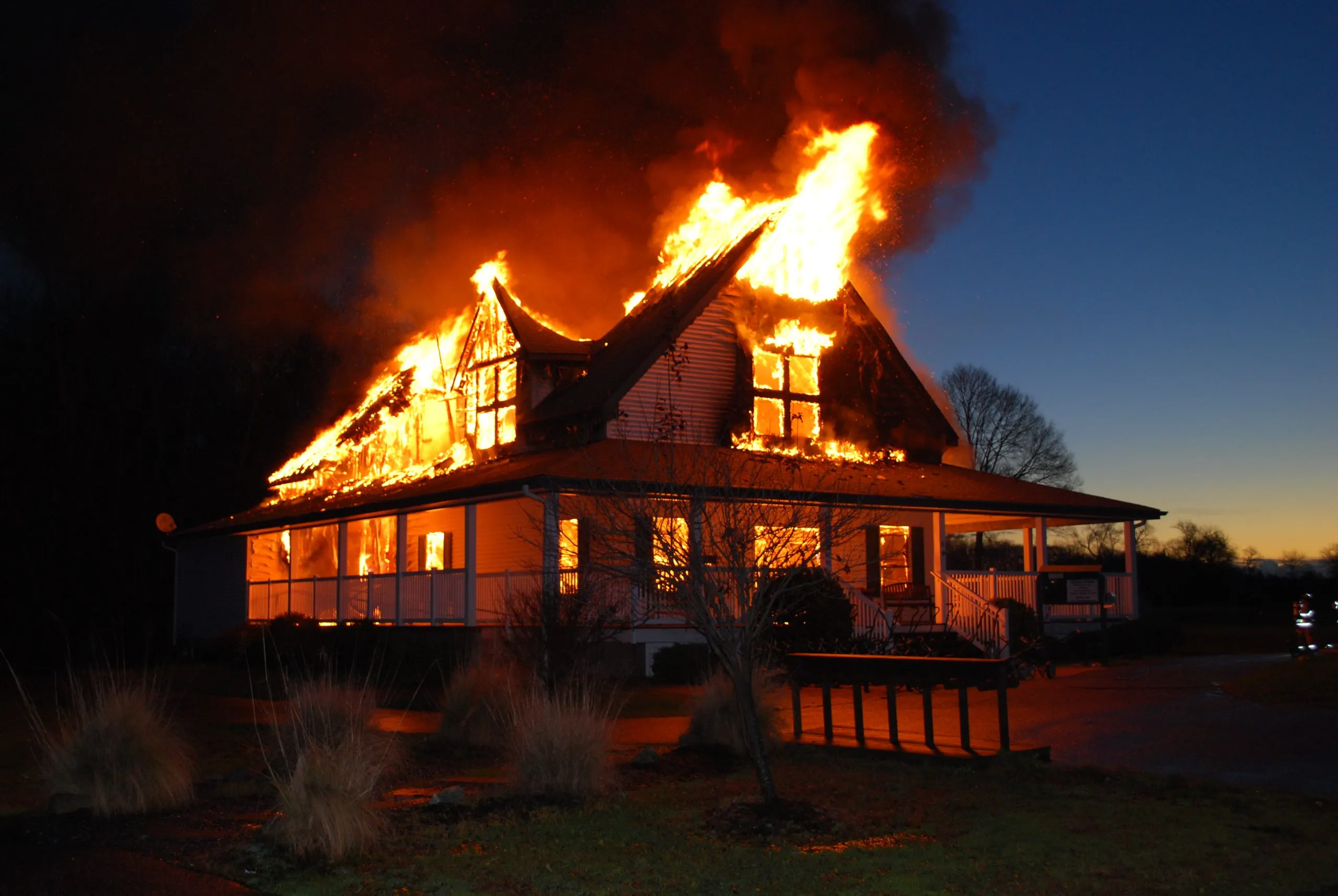
Every summer, as temperatures rise and landscapes dry out, the risk of fire grows across Southwest Washington. While Vancouver might not seem like a wildfire hotspot to some, the truth is—residential and commercial properties here are far more vulnerable than many realize.
Too often, property owners wait until it’s too late to think about fire risk. But fire mitigation isn’t about reacting—it’s about preventing devastation before it starts. With strategic action, you can protect your home or building, reduce insurance premiums, and avoid catastrophic losses.
In this guide, we’ll break down exactly why fire mitigation is crucial for Vancouver properties, what local risk factors you need to know, and the smart steps you can take to protect what matters most.
What Is Fire Mitigation and Why It Matters in Vancouver
Fire mitigation refers to the proactive steps taken to reduce a property’s risk of catching fire or sustaining damage in the event of a fire. This includes things like:
- Clearing flammable vegetation
- Installing fire-resistant building materials
- Creating defensible space around structures
- Following local fire codes and planning evacuation routes
In Vancouver, where neighborhoods often sit near wooded areas or open dry land, fire mitigation is not optional—it’s essential. A small spark during dry season can turn into a destructive force within minutes.
The Growing Fire Risks in Southwest Washington
Southwest WA has seen an uptick in fire activity over the past decade. Drier summers, wind patterns, and increased construction near natural areas all contribute to growing fire hazards.
- Local brush fires have become more common, especially in outlying areas like Salmon Creek, Hazel Dell, and Orchards.
- Many older homes still use flammable siding or untreated roofing materials.
- Fire departments urge residents to take preventative action—but too many don’t.
Waiting for “fire season” to start fireproofing your property is often too late.
Common Fire Hazards Around Vancouver Properties
Understanding what puts your property at risk is the first step in protecting it. Some common threats include:
- Overgrown or dry vegetation close to buildings
- Debris-filled gutters and roofs
- Wooden fences and decks without fireproof coatings
- Flammable landscaping (e.g., pine needles, dry mulch)
- Unmaintained chimneys or BBQ grills near siding
Proven Fire Mitigation Strategies That Actually Work
Clear Flammable Vegetation
Cut back dead brush, tree limbs, and tall grasses within a 30-foot perimeter of your home. This creates defensible space that slows the spread of fire.
Use Fire-Resistant Materials
If you’re renovating or building, consider replacing vinyl or wood siding with fiber cement or stucco, and choose Class A roofing.
Maintain Your Property
Clean out gutters, check for loose debris on roofs, and store firewood at least 30 feet away.
Schedule Annual Assessments
Let professionals identify high-risk areas you might miss. At Prestige NW, we offer custom fire mitigation plans tailored to your location and property size.
How Professional Services Reduce Long-Term Risk
While DIY steps help, fire mitigation professionals bring training, tools, and techniques most homeowners don’t have access to:
- Safe removal of ladder fuels (vegetation that helps flames climb structures)
- Use of fire-retardant coatings on decks and siding
- Strategic placement of gravel or nonflammable landscaping
- Compliance with local regulations and insurance recommendations
Bonus: Hiring experts can help you document risk-reducing actions for insurance purposes.
Insurance Benefits of Proactive Fire Mitigation
Many insurers now require fire mitigation steps in high-risk areas. Even if you’re not in a “red zone,” having a documented fire plan can reduce premiums.
Some insurers offer discounts for:
- Fire-resistant roofing or siding
- Cleared defensible space
- Professional fire assessments
Why Timing Matters: Don’t Wait for Fire Season
Fire mitigation should be completed before the dry season hits. In Vancouver, late spring to early summer is the ideal time.
Waiting until you smell smoke or hear sirens is a recipe for panic—not prevention.
Partnering with Local Experts Like Prestige NW
At Prestige NW, we’ve helped countless homeowners in Vancouver and surrounding areas fireproof their properties the right way.
Our team knows the local terrain, climate, and codes—and we tailor each plan to your specific needs.
Whether you own a hillside home in Ridgefield or manage a commercial building in Downtown Vancouver, we’re here to help.
Fire Mitigation Table
| Fire Mitigation Action | Why It Matters | Benefit |
|---|---|---|
| Vegetation Clearing | Removes flammable fuel near structures | Reduces fire spread risk |
| Installing Fire-Resistant Materials | Helps protect homes during embers or direct exposure | Improves fire resistance |
| Creating Defensible Space | Creates a buffer zone to slow fires | Gives firefighters room to defend |
| Gutter & Roof Maintenance | Prevents ember buildup in dry debris | Reduces ignition sources |
| Professional Risk Assessment | Identifies site-specific vulnerabilities | Creates a customized mitigation plan |
Fire Mitigation Tips
- Always maintain a 30-foot clear zone around your house—free from flammable plants, wood piles, and furniture.
- Use non-flammable mulch or gravel instead of pine bark or leaves.
- Schedule a free fire risk assessment with a professional team before summer kicks in.
Want to Protect What Matters Before It’s Too Late?
Fire doesn’t wait—and neither should you. Even small changes like clearing dry brush, replacing outdated siding, or installing ember-proof vents can mean the difference between safety and disaster.
At Prestige NW, we specialize in fire mitigation and restoration services for properties across Vancouver, WA. Let us help you build a fire-safe environment and protect your investment.
📞 Call us today at (360) 433-2919
📧 Email: dispatch@prestige-nw.com
Frequently Asked Questions (FAQ)
What is fire mitigation and why is it needed in Vancouver, WA?
Fire mitigation is the process of reducing fire risk through vegetation management, fire-resistant materials, and safe landscaping. Vancouver’s dry summers and nearby forests make it crucial.
How can I reduce wildfire risk around my home?
Start by clearing brush, maintaining your roof and gutters, and using fireproof building materials. A professional assessment helps identify overlooked hazards.
When is the best time to do fire mitigation in Washington?
Late spring to early summer is ideal—before fire season begins. Don’t wait until the threat is near.
Is fire mitigation expensive for homeowners?
Not always. Many services are affordable and some improvements—like brush removal or replacing mulch—cost little but have major impact.
Can fire mitigation help with insurance premiums?
Yes. Some insurers offer discounts for homes with documented fire-resistant upgrades and regular maintenance.


